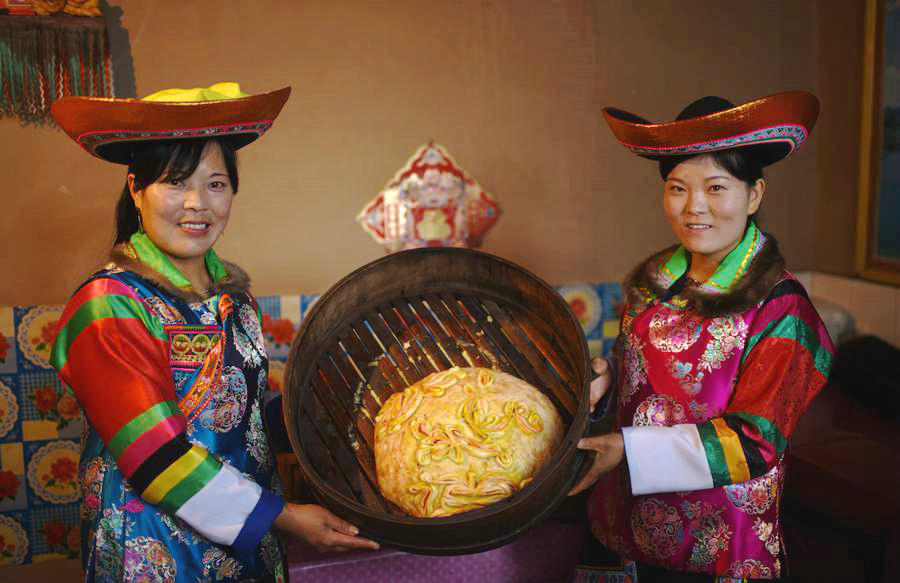
Tu Ethnic Group
Introduction
The Tu ethnic group is predominantly found in Northwest China's Qinghai and Gansu provinces. This ethnic group is recognized for its unique cultural heritage, which includes rich traditions in festivities, music, dance, and attire. They have maintained a distinct cultural identity over the centuries, marked by a blend of influences due to their geographic location and historical interactions. Despite having no written alphabet, the Tu people speak a language that is part of the Mongolic language family.
History
The roots of the Tu ethnic group trace back to the late Yuan Dynasty (1271-1368) and early Ming Dynasty (1368-1644) period when they transitioned from a nomadic lifestyle to a more settled agrarian way of living. This transition marked a significant change in their societal structure as they began to establish permanent communities, engaging in farming and animal husbandry. The historical narrative of the Tu people is intertwined with their agricultural practices, which led to the development of community festivals and gatherings as a means of fostering cooperation and resolving conflicts among neighboring villages.
Population and Distribution
The Tu ethnic group primarily inhabits the Qinghai and Gansu provinces of China. The distribution of the Tu people has influenced the cultural and social dynamics of these areas, where they live alongside other ethnic groups. Their population dynamics over the years have been shaped by historical migrations, social policies, and economic developments, which have all played a role in their current demographic and geographic spread.
Culture
Language
The Tu people speak a language that belongs to the Mongolic language family. This language, although unwritten, is an essential aspect of their cultural identity. It reflects a synthesis of various linguistic influences, owing to the Tu people's interactions and coexistence with neighboring ethnic communities. The language serves not only as a medium of communication but also as a vessel for transmitting cultural values, traditions, and oral history.
Traditional Clothing
Traditional clothing of the Tu ethnic group is characterized by vibrant colors and intricate designs, reflecting their rich cultural heritage. These garments are often worn during cultural festivals and significant community events, symbolizing the identity and unity of the Tu people. The attire includes specific elements that are unique to the Tu culture, like embroidery patterns and styles that signify various cultural symbols and societal roles.
Festivals and Traditions
One of the most prominent festivals celebrated by the Tu ethnic group is the Nadun Festival, often referred to as "the world's longest carnival." This festival spans approximately two months, from the 12th day of the seventh month to the 15th day of the ninth month on the traditional Chinese calendar. The Nadun Festival is an elaborate community event involving music, dance, and ritualistic activities, reflecting the Tu people's appreciation for their agricultural heritage and community life. It is a time for the Tu people to engage in communal worship, celebrate their harvests, and uphold traditional values through various artistic expressions and ceremonial practices.
Cuisine
The culinary traditions of the Tu ethnic group are an integral part of their cultural identity. A notable example is the special mooncake made during the Mid-Autumn Festival. This delicacy is deeply entrenched in the Tu's festive practices, representing the community's culinary ingenuity and the cultural significance of such occasions. The preparation and sharing of these traditional foods during festivals highlight the communal spirit and cultural continuity of the Tu people.
Art
Artistic expressions in the Tu ethnic group are deeply rooted in their cultural practices and daily life. This includes forms of embroidery, music, dance, and dramatic performances that encapsulate their historical narratives and societal values. Traditional arts such as the mask dance, or Nuo dance, form a vital part of their cultural festivals, serving as both entertainment and a means of storytelling. The preservation and continuation of these art forms are crucial for maintaining the cultural heritage of the Tu ethnic group.
Economy
Traditional Economic Activities
Traditionally, the Tu ethnic group's economy was largely centered on agriculture and animal husbandry. The shift from a nomadic lifestyle to settled farming communities paved the way for the development of these economic activities. Such practices allowed the Tu people to establish a sustainable livelihood, which was intricately linked to their cultural practices and social structures. The community's economic activities were often celebrated through festivals and local fairs, which also served as platforms for trade and social interaction.
Modern Developments
In recent years, the Tu ethnic group has seen significant economic developments through various poverty alleviation initiatives and projects aimed at enhancing their standard of living. For instance, in Suobutan village, efforts were made to develop industries like Pan embroidery and Qingke barley wine production, as well as promoting rural tourism. These initiatives have not only contributed to economic growth but also aided in preserving and promoting the unique cultural aspects of the Tu community.
Efforts for Cultural Preservation
Preserving the culture of the Tu ethnic group is an ongoing endeavor that involves both community-driven initiatives and broader recognition efforts. The inclusion of their festivals, such as the Nadun Festival, in China’s National List of Intangible Cultural Heritage is a significant step towards safeguarding their traditions. Community efforts focus on sustaining their language, traditional arts, and cultural practices, ensuring that future generations can continue to identify with and celebrate their rich heritage.








